In Search of Stillness: Kyoto's Hidden Machiya Culture
Words by Editorial Staff • Published May 14, 2025 • 8 min read
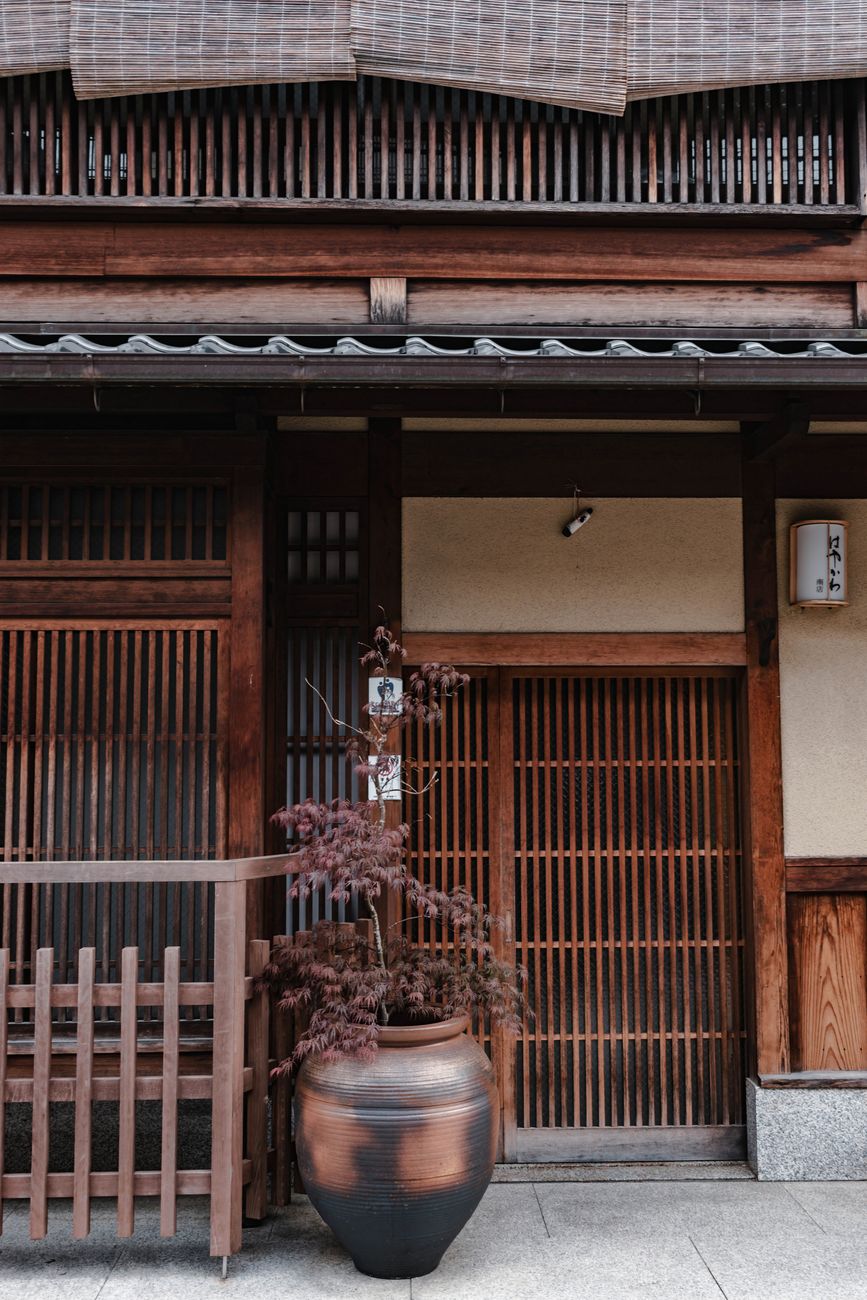
Early morning in the backstreets of Kamigyo Ward carries the scent of seasoned cypress and roasted bancha tea. Long before coaches deposit sightseers before the gilded pavilions, the city belongs to a different tempo entirely.
The Living Architecture of Timber and Lattice
The traditional machiya—wooden merchant houses characterized by slender slatted fronts (koshi) and interior courtyard gardens (tsuboniwa)—form the spine of Kyoto's historic neighborhoods. Once in danger of wholesale demolition under postwar modernization, a quiet counter-revolution has taken root over the past decade.
"A machiya is not merely an antique building; it is a thermal lung," explains Kenji Takahashi, a conservation carpenter who has worked on over forty restorative projects across the prefecture. The interplay between front sliding screens and tiny rear garden airshafts draws ambient breezes straight through tatami-matted living quarters without a whisper of electric air conditioning.
Practical Advice for Mindful Travelers
- Where to Stay: Look for registered machiya accommodations in Nishijin rather than generic international hotel high-rises.
- Morning Protocol: Respect residential silence before 08:30. Many traditional alleyways remain working neighborhoods where elderly residents tend private moss plantings.
- Seasonal Timing: Late November and mid-May present optimal humidity conditions for open-window veranda living.